


Shopify AI search visibility is becoming something merchants can buy, measure and argue about in budget meetings. The useful question is whether that spending helps suitable customers find your products. Before you buy another dashboard, build a test that separates an AI mention from a useful recommendation, then connects that recommendation to commercial evidence. Here’s how we’d assess the tools and decide what deserves investment.
Why Shopify AI search visibility deserves a budget conversation
Breakit reports that Swedish startup Wilgot has raised 30 million kronor for its effort to help merchants appear in ChatGPT product recommendations. That funding is evidence of investor interest in the category. It isn’t evidence that a particular merchant will earn more revenue by buying a visibility tool.
The surrounding news explains the interest. Modern Retail reports that major technology and retail companies are betting on agent-led holiday shopping, while also questioning how far the experience has progressed. For Shopify merchants, that makes a controlled discovery test sensible. It doesn’t justify moving proven acquisition spend on the strength of a forecast.
Our view: treat AI search as an emerging discovery channel with its own research budget. Give it room to demonstrate value, but make it compete for further investment using evidence your team can inspect.
Define Shopify AI search visibility before measuring it
AI search visibility is the presence of your brand or products in answers generated by AI search and shopping assistants. A mention, a cited product page and a recommendation to buy are different outcomes. Reporting them as a single score can hide more than it reveals.
A brand might appear because an assistant lists familiar retailers. A product might appear because it matches a specific requirement. Only the latter tells you much about whether the assistant understands why someone should buy it.
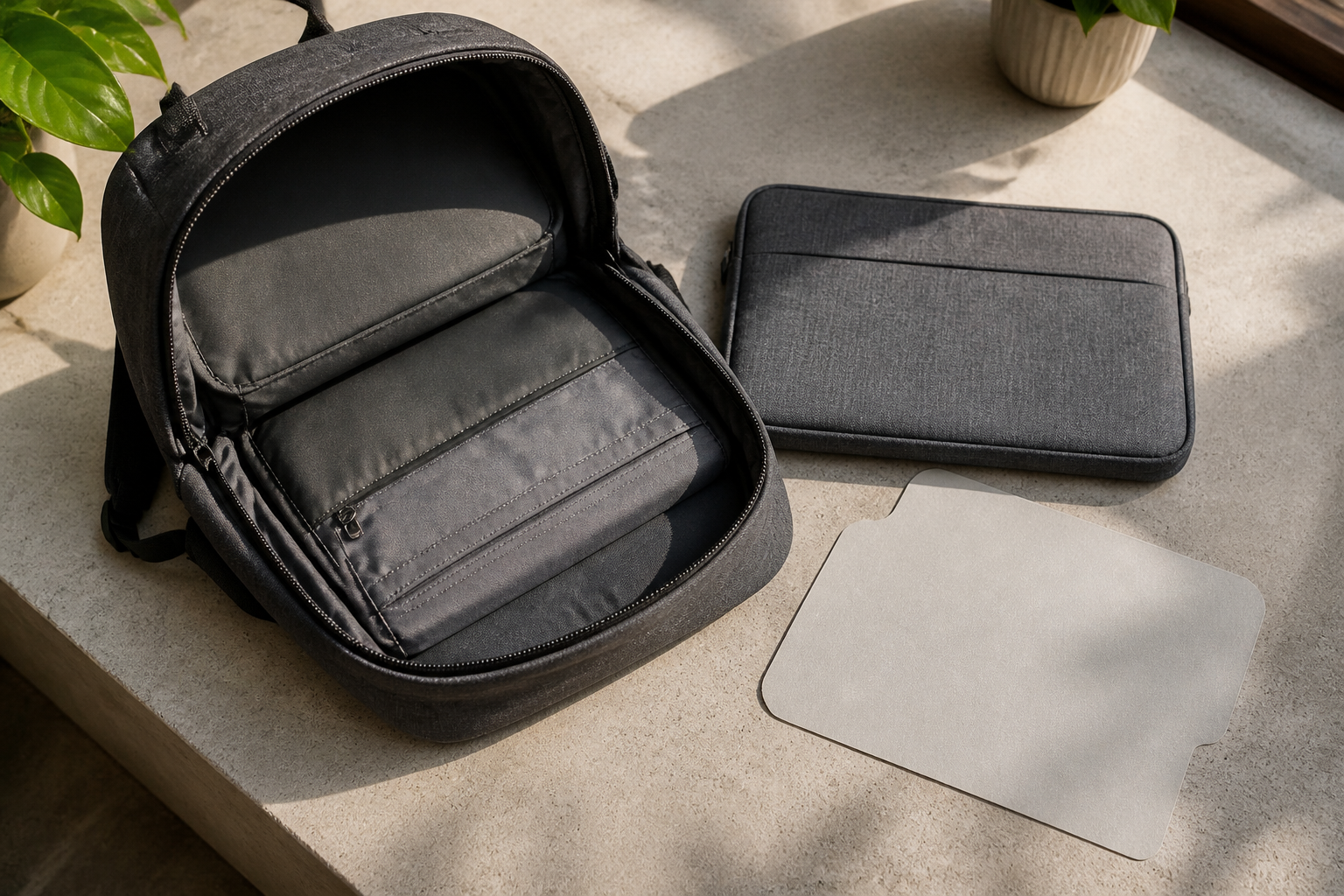
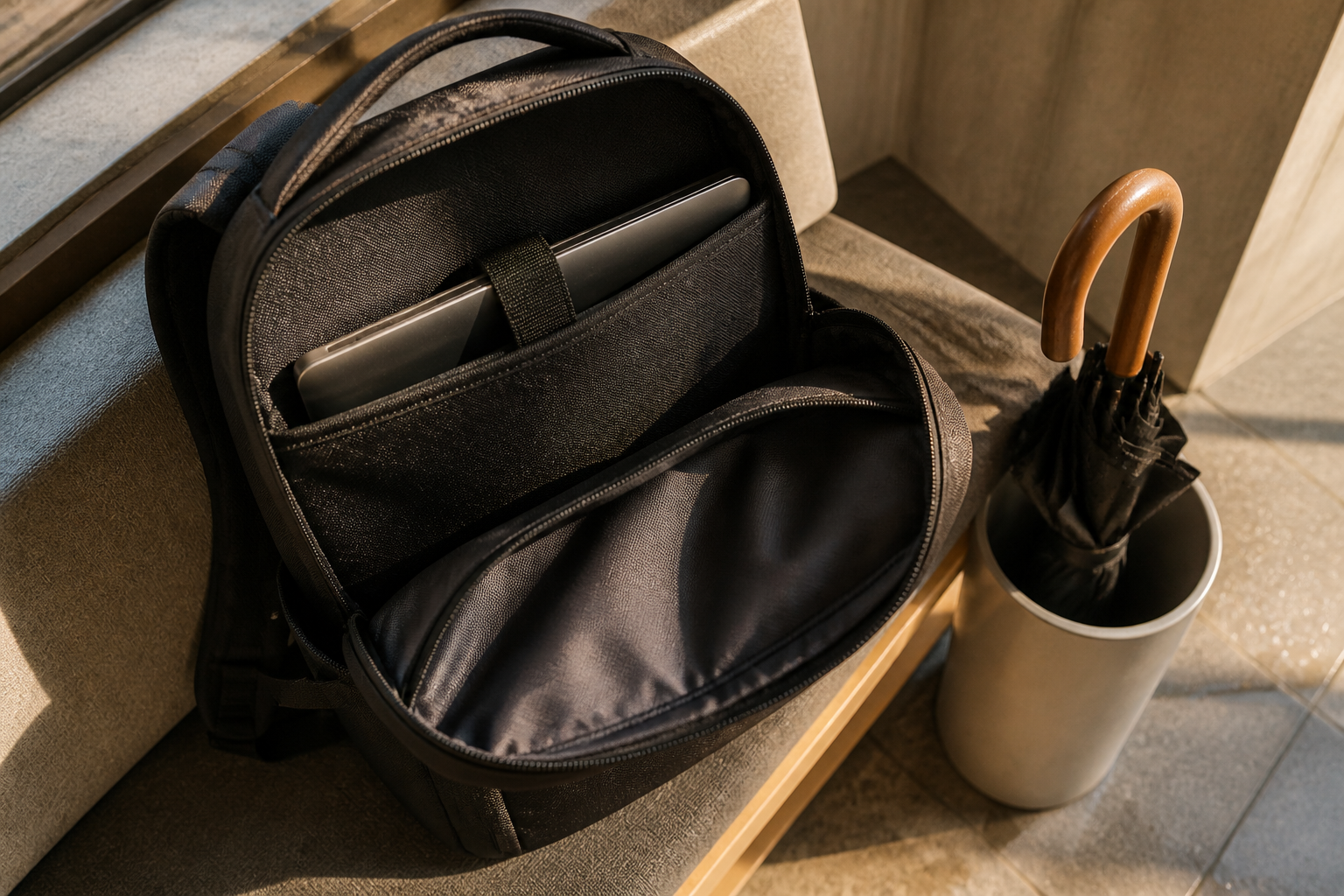
Take a hypothetical shopper looking for a commuter backpack that fits their laptop and keeps the contents dry. A generic brand mention offers weak evidence. A recommendation for the correct backpack, with accurate fit details and a link to the relevant product page, is much more useful.
This is also where visibility differs from agentic commerce. Discovery concerns what the assistant recommends. Agentic commerce can involve taking actions for the shopper. A tool that tracks recommendations doesn’t necessarily tell you anything about purchasing capability.
Build your test around buying questions
Start with questions customers already ask your support team or enter into store search. Add objections from product reviews. You want language that reflects a buying decision, rather than prompts designed to make your brand appear.
For the backpack example, useful questions might concern carrying a laptop on a wet commute or choosing between a lightweight bag and a more protective one. A prompt that names your brand answers a different question from an unbranded request for advice. Keep those results separate.
- Record the buying context. Include the intended market and any product constraints that genuinely affect suitability.
- Preserve the exact prompt. Otherwise, you won’t know whether a changed answer came from your work or a changed question.
- Save the full response. A dashboard label cannot explain why the assistant recommended a product.
- Check the destination. A correct recommendation that links to an irrelevant page still creates work for the shopper.
Keep a stable core of questions for comparison. Put experimental prompts in a separate group. Repeated tests are more informative than a screenshot of a favourable answer, although they still represent a sample rather than a complete view of customer behaviour.
What an AI visibility tool should earn its fee by doing
A useful tool reduces the effort required to run that research consistently. It should preserve enough evidence for your team to challenge its conclusions.
Inspect the measurement method
Ask the vendor which assistants and experiences it tests. Does it query an API, reproduce a consumer experience, or use another collection method? How does it account for location and account context? Different methods can answer different questions. The vendor should explain those limits plainly.
Ask how it chooses prompts, too. A large library of loosely relevant questions may look impressive while saying little about your category. You need to edit the test set and export the underlying responses, not merely download a presentation-ready score.
Look for actionable evidence
The strongest output is a specific diagnosis. Perhaps an assistant recommends the right product but misstates its compatibility. Perhaps it cites an old comparison page. Those observations give your team something to investigate.
A falling visibility score without saved answers is much less useful. Before accepting a recommendation to publish more content, ask what evidence suggests content is the constraint. The issue could be product suitability, an inaccessible page or a source outside your control.
Know who should skip the subscription
A specialist tool can suit a merchant with a complex catalogue and someone responsible for acting on the findings. It’s harder to justify when the team cannot maintain product information or review the reports.
For a small catalogue, a manual research log may be enough to establish whether there’s a worthwhile problem to solve. We wouldn’t select a vendor from funding news alone. The supplied reporting on Wilgot describes its ambition and financing, not a verified comparison of its accuracy or commercial results.
Improve the recommendation, not just the mention
When an answer is wrong, trace the claim before editing your store. Is the assistant citing your product page, a retailer listing or an independent article? Correcting your own copy may help when it is the source. It cannot guarantee that an assistant will stop repeating an external claim.
On Shopify, put useful buying information where shoppers can read it. Metafields can help your team maintain consistent attributes, but storing information in the admin isn’t the same as presenting it on the storefront. Check the rendered product page and have your developer inspect the relevant structured data.
Write explanations that resolve genuine comparisons. For our hypothetical backpack, explain what weather protection the manufacturer supports and which laptop dimensions fit. Don’t replace those details with claims such as “perfect for every commute”. Specific limitations make advice more useful.
Retail Dive’s coverage of holiday shopping research says consumers want AI to save time and find bargains, and stresses that AI should only promise what businesses can deliver. For merchants, the practical response is to check whether recommended products meet the stated need and whether the linked offer is available. A persuasive but inaccurate answer is a customer-service problem in waiting.
Measure commercial evidence without pretending attribution is complete
TechCrunch reports Satya Nadella’s prediction that AI agents could disrupt advertising-driven business models. That’s a strategic possibility, not a merchant revenue forecast. Your budget decisions need a narrower view of what is happening in your store.
Keep research outcomes separate from website outcomes. Research can show whether your products appear for relevant questions and whether the answers are accurate. Store analytics can show identifiable referral visits and the orders associated with them. Neither provides a complete account of AI’s influence on a purchase.
A shopper may encounter a recommendation and return through another route. Equally, a rise in branded search doesn’t prove that AI caused it. Describe unattributed influence as uncertain rather than assigning it a convenient revenue figure.
For a practical pilot, select a commercially meaningful product group and document its starting position. Record the changes you make, including unrelated promotions that might affect demand. Review recommendation quality alongside identifiable traffic and order contribution after costs. Avoid changing the whole catalogue at once if you want to learn which work was useful.
Set renewal conditions before the pilot starts
Agree what would justify continuing. The tool might save enough research time to pay for itself, expose repeated errors you can correct, or help identify buying questions that your store answers poorly. Those are defensible outcomes even before attributed sales become meaningful.
Stop or simplify the test if the vendor cannot explain its results, the prompts don’t resemble customer needs, or nobody acts on the findings. More reporting won’t fix a lack of ownership.
We’d protect proven search and merchandising work while this channel earns its place. Useful comparison content can serve customers regardless of which assistant recommends it. A subscription that only produces flattering screenshots has a much weaker case.
Takeaways
- Measure relevant, accurate product recommendations separately from brand mentions.
- Require saved responses and a clear testing method from visibility vendors.
- Fix the evidence behind an incorrect recommendation before publishing more content.
- Renew tools for actionable findings or commercial value, not an unexplained visibility score.
Sources
- Wilgot vill få ChatGPT att välja dina produkter – tar in 30 miljoner
- In Graphic Detail: Welcome to the agentic commerce quarter
- Satya Nadella predicts AI agents will reshuffle the economics of the web
- Holiday shoppers expect AI to save them over $190 this year
Want this handled for you?
We're a Shopify Premier Partner and this is the work we do every day: performance, CRO, and store builds that pay for themselves. Book a free store review and we'll show you the three fixes we'd ship first.
Frequently asked questions
What is Shopify AI search visibility?
It is the presence of a Shopify merchant’s brand or products in AI-generated search and shopping answers. A brand mention, a product citation and a purchase recommendation should be measured separately.
Do I need an AI search visibility tool for my Shopify store?
Not necessarily. A manual test using consistent buying questions can establish a baseline for a small catalogue. Paid tools become more useful when they reduce research effort and provide evidence your team can act on.
What should I ask an AI visibility tool vendor?
Ask which AI experiences it tests, how it collects answers, how prompts are selected and whether you can export full responses. Require an explanation of location and account-context limitations.
How can I measure sales from AI product recommendations?
Track identifiable AI referral visits and their associated orders, but report recommendation quality separately. Attribution will be incomplete when shoppers return through another channel, and increased branded search alone does not establish AI influence.

